“Porem ipsum dolor sit amet, consectetur adipiscing elit. Nunc vulputate libero et velit interdum, ac aliquet odio mattis. Class aptent taciti sociosqu ad litora torquent per conubia nostra, per inceptos himenaeos.”
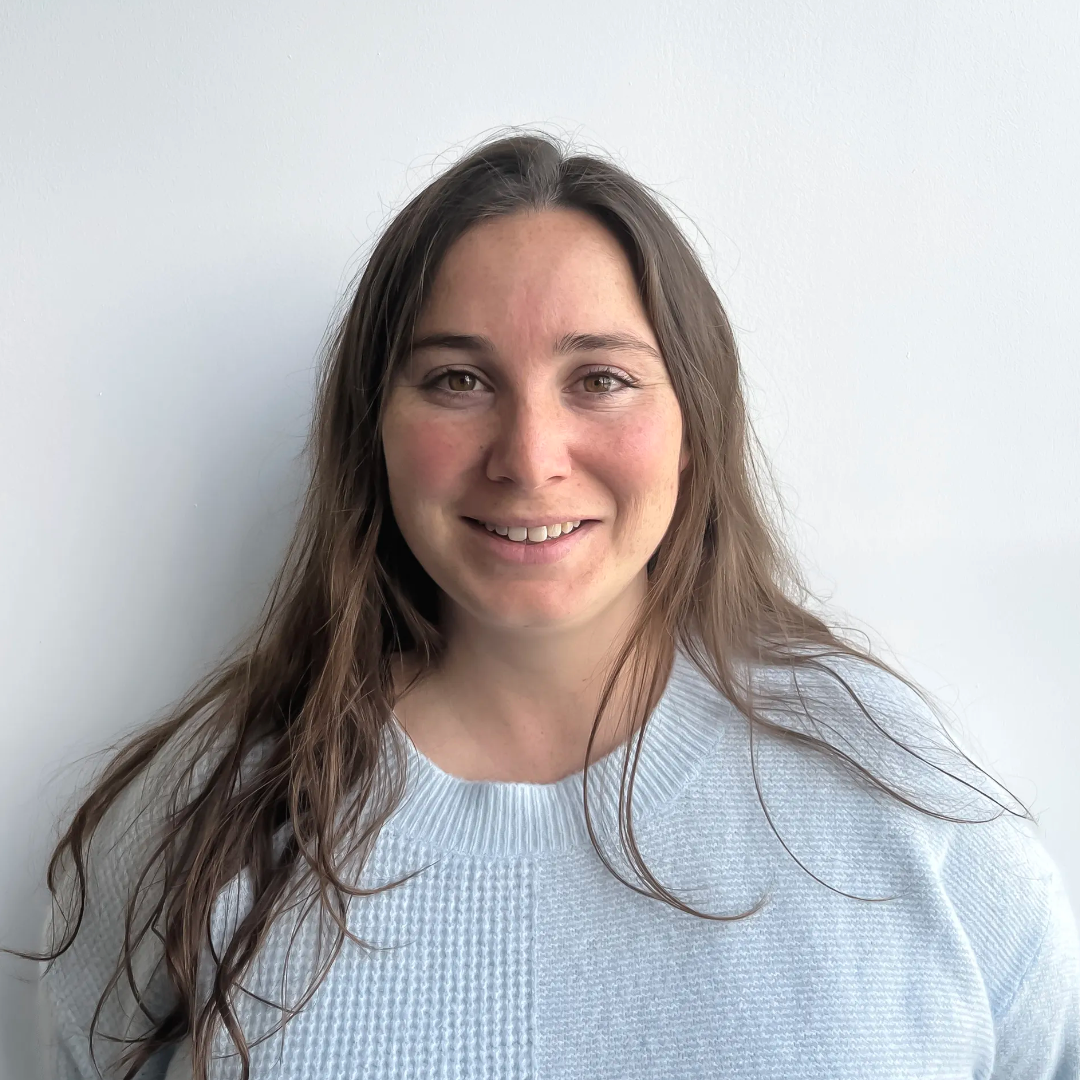
Trinity Cookis is a structural biologist with over a decade of experience operating at the frontier of chromatin biology, structural biology, and programmable gene regulation. She holds a B.S. in Chemical Engineering from Northeastern University and a PhD from the University of California, Berkeley.
Her research journey began as a cooperative education student at Sanofi Genzyme, where she developed a robust X-ray crystallization platform for an ongoing fragment-based drug discovery program in the longevity space. She then joined the lab of Professor Carla Mattos, where, as an undergraduate, she determined the first structure of the full Ras:Raf interface, pairing crystallography with molecular dynamics to illuminate activation of oncogenic proliferative signaling at atomic resolution. She received several awards for this work and also spent a summer in the lab of Thomas Walz at Rockefeller University as a SURF student, where she began training in electron microscopy to characterize membrane proteins. She later returned to Sanofi to train under Dr. Joseph Batchelor, where she helped support early cryo-EM projects for drug discovery and vaccine development programs.
Trinity completed her PhD as an NSF GRFP and AAUW Dissertation Fellow at UC Berkeley under cryo-EM pioneer and Shaw Prize recipient, Eva Nogales, and foundational investigator in eukaryotic transcription, Robert Tjian. There, she worked at the interface of structural biology and gene regulation to decode the molecular logic of chromatin control. She optimized next-generation streptavidin affinity grids to enable high-resolution cryo-EM of fragile and low-abundance chromatin-bound complexes. She then integrated cryo-EM with genomics and live-cell imaging to uncover mechanistic insights into gene silencing by Polycomb Repressive Complex 2 (PRC2), including PRC2 inhibition by transcription-linked histone modifications and PRC2 activation by accessory subunits.
Trinity has built a reputation for transforming complex molecular machines into systems that can be visualized, understood, and ultimately engineered to treat disease. Beyond her scientific contributions, she has led and mentored multidisciplinary teams, organized cryo-EM bootcamps, served on admissions and fellowship review committees, and contributed to training the next generation of structural biologists.
At General Proximity, she is a scientist on the platform team, where she applies her expertise in gene regulation, protein signaling, and structural biology to characterize protein–protein interactions induced by proximity-based medicines. In her free time, she enjoys spending time outdoors, attending live music, and playing with her two cats.
